
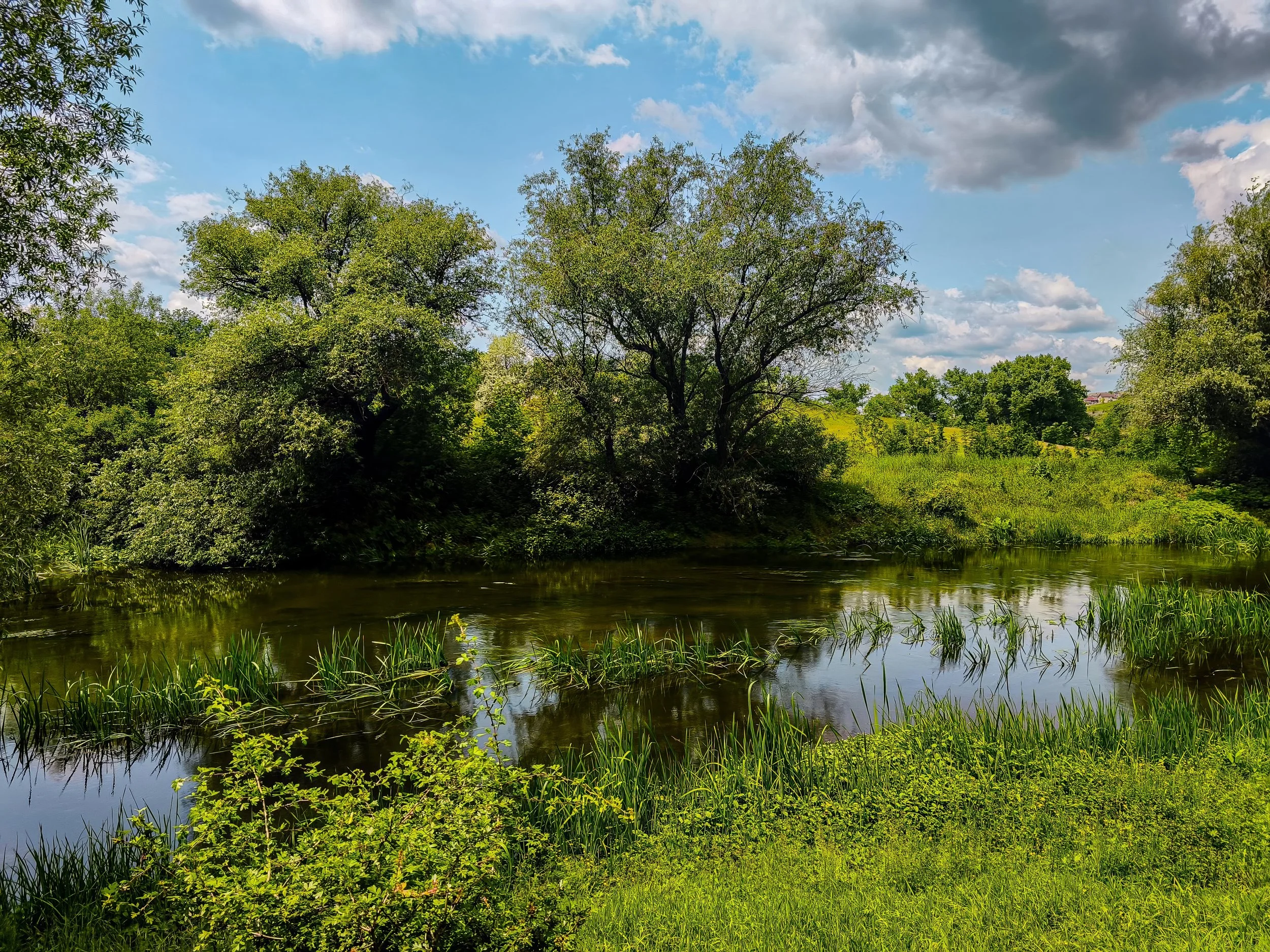
Our Approach to Water Retention and Landscape Restoration
Reading the Land. Designing for Longevity. Restoring Water Where it Belongs.
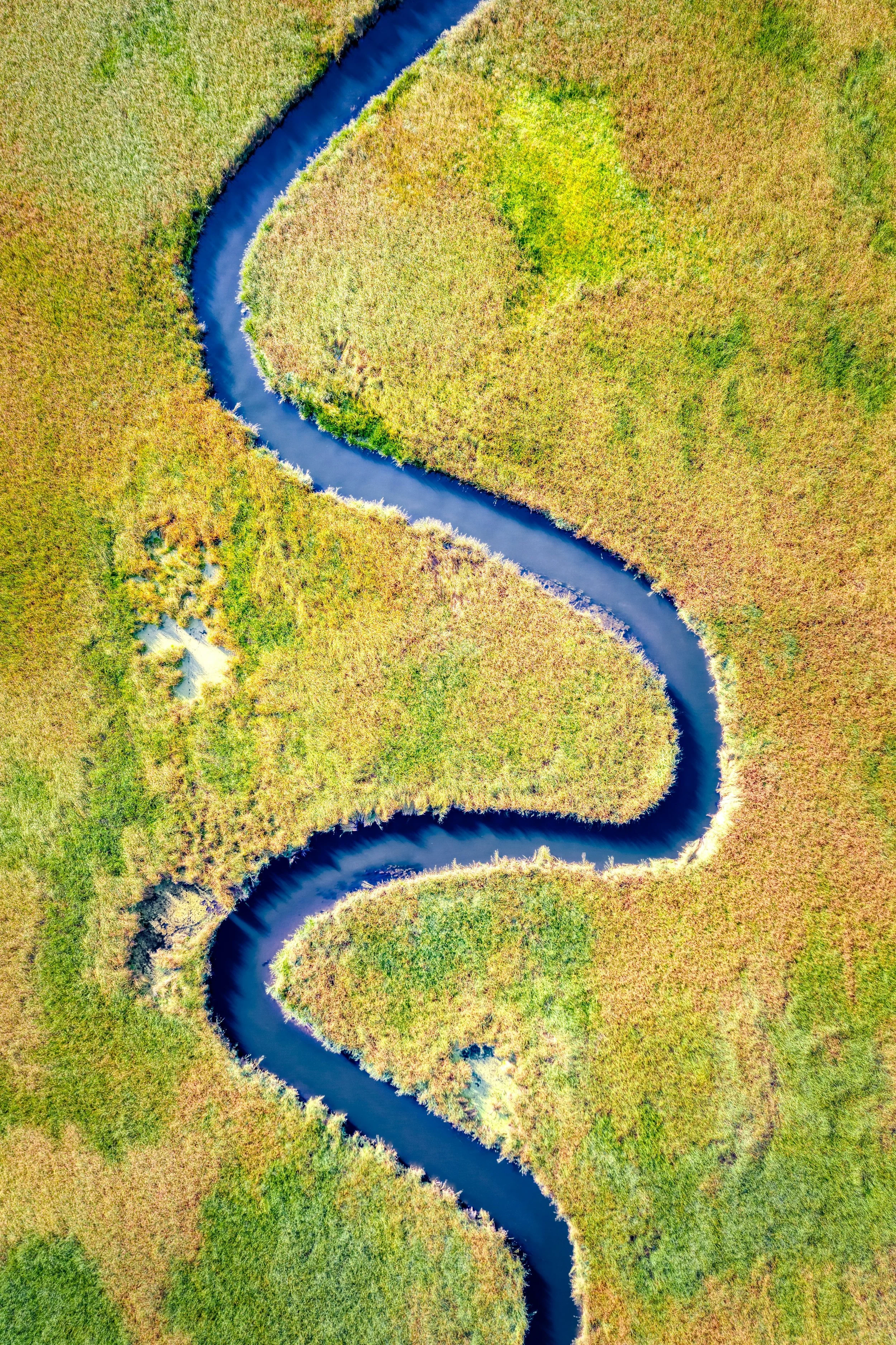
Listening to Water
The foundation of our work lies in listening and observing.
For over six years, I worked on a project for rural regeneration in the interior of Portugal, in the Mondego watershed. Here I witnessed how rivers and tributaries that once flowed year-round now dry up each summer and create floods in winter. Trees and plants are struggling, and the risk of destructive wildfires is present every year. This experience led me to explore how we can restore balance to the land through water.
I asked myself: What happened to the water?
This question has guided me ever since. I learned to work with water on the land — building water bodies, infiltration ponds, check dams, irrigation systems, and working on soil hydration. Each practice taught me that water is alive, and when we slow it down and help it sink into the earth, it brings life.
Collaborative Design for Your Restored Land
Our approach is co-active. We don’t just design for the land — we design with it, and with you. The process begins by walking and observing together, learning how water moves, where it collects, and where it’s lost. Through dialogue and analysis, we develop designs that fit the natural patterns of each site and the vision of its stewards.
Every project is a collaboration, grounded in ecological design principles and project management structure. This balance ensures our work is both visionary and viable — built to last ecologically, economically, and emotionally.
Work with Nature
Design our responses to put relationships first. See drought and flood not as problems, but as invitations to restore balance.
Water as Teacher
Learn and grow together. Understanding our impact on water, on land, on the world around us.
Design for Longevity
Use of natural materials and creative designs with simplicity and stability mean low maintenance and lasting benefits.
Share Love for Water
Honour water with gratitude, joy and creativity as it gives life and supports the land.
For those who want to deepen their understanding, we share films and learning materials on water cycle restoration and land hydration.
Meet Dino Schmitz
I am Dino Schmitz, the founder of slowwater.earth. Water is the element I feel most at home with — alive, wise, and full of movement. I am fascinated by the behaviour and properties of water.
As a Slow Water Engineer and Project Manager, I bring years of professional experience managing complex ecological and regeneration projects. My work bridges practical implementation and ecological sensitivity — translating vision into tangible, lasting results. I combine the precision of project management with the intuition of land listening, guiding each project from concept to completion with care, clarity and confidence in execution.
I trained with Waterstories (Zach Weiss) in water retention design and implementation and deepened my practice through workshops at Tamera, known for having created a lush water retention landscape in drought-stricken Southern Portugal.
I am delighted to have created slowwater.earth, a professional practice that allows me to embody what i am passionate about and to deepen my care for a matter that i have close at heart.
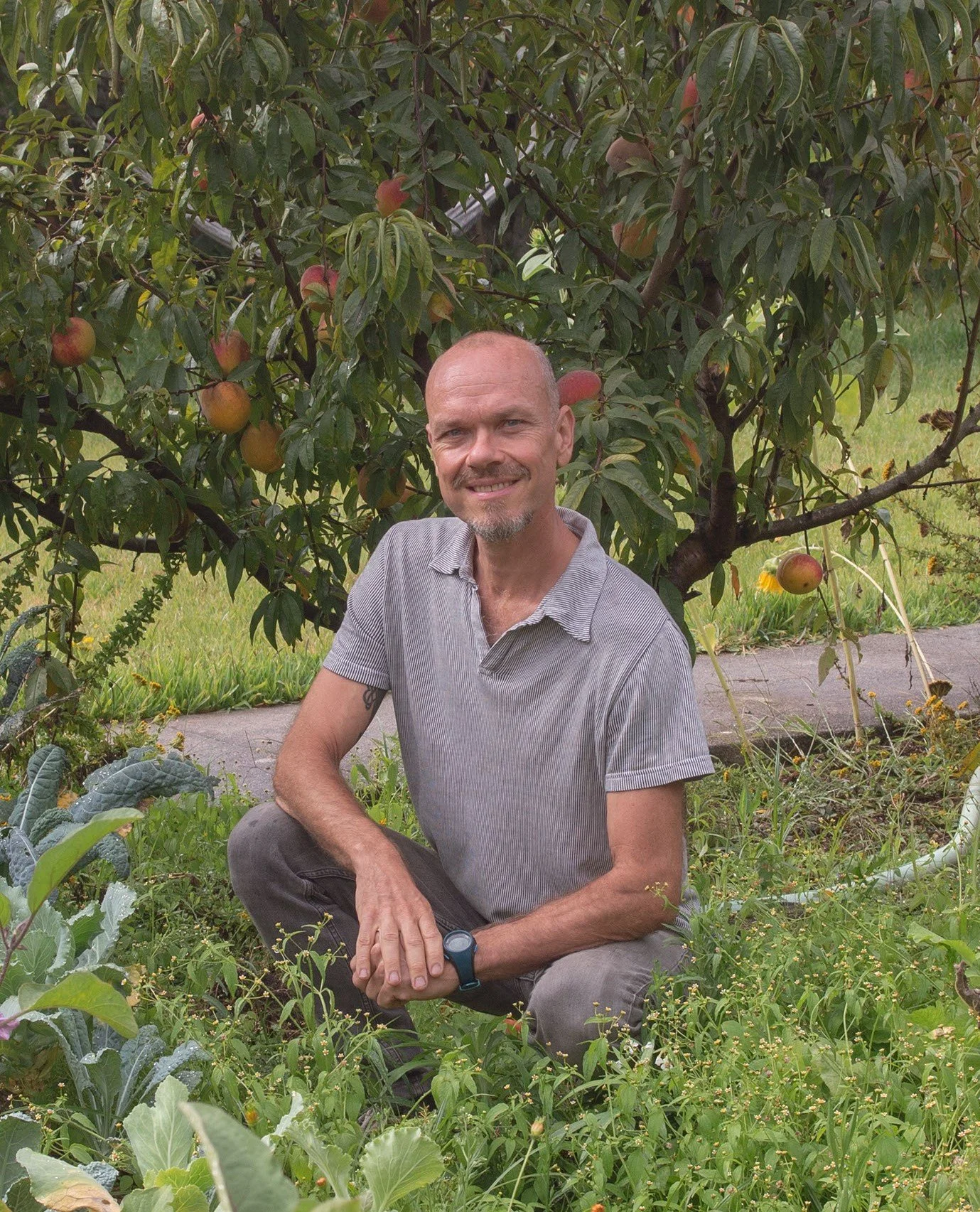
Regeneration as a Life-Long Practice
Restoring the water cycle is not a one-time intervention, but an ongoing relationship with land, observation, and learning over time. This understanding also informs how I work with people — supporting reflection, patience, and long-term commitment in regenerative work.
Through the years of guiding a holistic rural development project in Portugal, I came to understand how much the human dimension shapes the success of any regenerative vision. Working with land brings decisions, uncertainty, emotions, and the need to stay connected to purpose — and I have walked this path myself.
Regeneration is not only about landscapes; it is also about the people who care for them. Coaching allows me to support land stewards, project initiators, and those who feel called to live in deeper relationship with nature.
